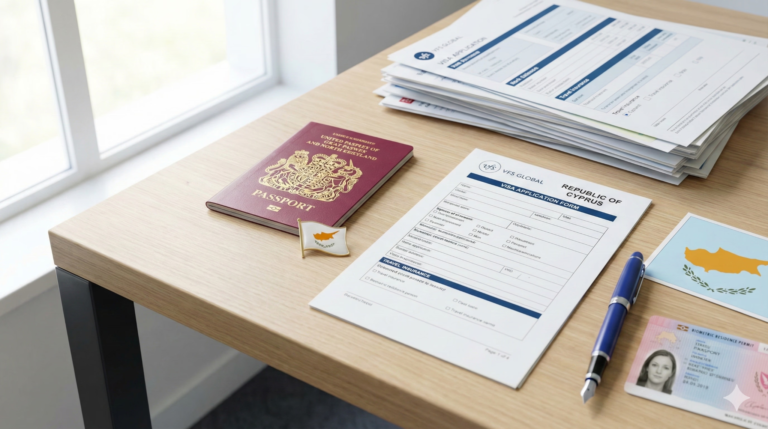
EU Working Visa in Cyprus Explained
An EU working visa in Cyprus is a term that can confuse the applicants intending to work in the country. Cyprus is a part of the European Union, which implies that EU citizens have freedom of movement and work. This enables them to work and live in Cyprus without having to obtain a conventional visa. Non-EU nationals have to go through another process, however. These differences are imperative to know prior to moving.
The concept of an EU working visa does not have the same implications on EU citizens as it would in other jurisdictions. Rather, they are only required to enroll their dwelling when they exceed a certain duration. This makes the process a lot easier. It also renders Cyprus a good place to be among EU professionals. Compliance still requires proper documentation.
This handbook describes the concept of the EU working visa in Cyprus in detail. It includes regulations regarding EU citizens, the requirements of non-EU citizens, and the application procedures along with some major distinctions. The widespread myths and legal requirements will also be explained to you. All sections are clear and practical. This assists in making sure that it is understood well.
Do EU Citizens Need a Working Visa in Cyprus
EU citizens are not required to have an EU working visa to work in Cyprus. They are allowed under the EU law to work and live in any member state without a visa. This is what is referred to as freedom of movement. It enables access to job opportunities easily. It simplifies relocation.
Nevertheless, EU nationals are expected to enroll themselves to the local authorities in case they intend to spend over 90 days. Their residence is verified by this registration. It is an easy administrative procedure. It makes sure that it complies with the local laws.
There is no need of EU working visa but appropriate documentation is needed that includes evidence of employment or income. This information may be requested by authorities. It assists in verifying eligibility. It guarantees legality.
What About Non-EU Nationals
In the case of non-EU citizens, no analogous EU working visa in Cyprus can be issued. Rather, they need to request a work permit and a residence visa. It is a more organized process and is employer sponsored. It makes sure that they comply with immigration laws.
Before applying, non-EU applicants have to have a job offer. The application is filed by the employer on their behalf. The application is reviewed by the authorities. This guarantees equitable labor practice. It safeguards the local workers.
The procedure of non EU citizens is elaborate than that of EU citizens. It involves background checks, documentation and approval processes. It is important to know these requirements. It guarantees an effective application.
Registration Process for EU Citizens
EU citizens need not have an EU working visa, but they have to undergo a registration process in Cyprus. This is achieved by getting a Registration Certificate, commonly referred to as the Yellow Slip. It validates legal residence. It is a significant document.
The registration needs support of employment, self-employment or financial resources. Identification documents are also required of the applicants. All information is checked by the authorities. Accuracy is essential.
EU citizens will be able to live and work freely in Cyprus once they are registered. The procedure is easy and effective. It facilitates mobility in the EU. It also guarantees adherence to local laws.
Work Permit Process for Non-EU Citizens
In the case of non-EU citizens, the concept of EU working visa is translated into acquiring a work permit in Cyprus. This is initiated by a local employer post. The employer forwards the application to the immigration authorities. This must be well documented.
The government will look at the application to confirm the eligibility and compliance. This involves verification of qualifications and terms of employment. It can last several weeks or months. Patience is required.
Upon approval, the applicant is issued with a work permit and authorization of residence. This enables legal practice in Cyprus. It validates official status. It should be replenished when necessary.
Key Differences Between EU and Non-EU Workers
The primary distinction when it comes to an EU working visa in Cyprus is the extent of access to jobs. There is free access to labor markets by EU citizens. They do not require employer sponsorship. This will make them flexible.
However, the non-EU nationals are supposed to adhere to a systematic procedure. Their work permits tend to be employer-specific. This restricts the mobility of jobs. It involves more approvals to changes.
These variations are founded on EU laws. They provide equitable labor market practices. It is imperative to know them. It assists in preventing confusion.
Common Misconceptions
One of the misconceptions people have about the EU working visa in Cyprus is that there is no one who does not require it to work legally. This is not the case with EU citizens. All they have to do is to enroll their house. This makes it easy.
Registration is another myth that is optional. Actually, one is required to remain more than 90 days. Compliance problems may arise due to failure to register. It is vital to understand well.
Other non-EU applicants believe that they can work without a permit. This is incorrect. To be legally employed, a valid work permit is necessary. Such mistakes can be avoided by professional guidance.
Benefits of Working in Cyprus
Cyprus has good incentives to EU workers even in the absence of EU working visa. These are availability of increased employment opportunities and good tax system. It offers economic benefits. It helps in career development.
In the case of the non-EU nationals, the work permit allows them access to international experience. Cyprus has a good quality of life and it is a safe place. It is a beautiful place to visit. It helps to settle over the long term.
Cyprus has a strategic location, and business opportunities; both EU and non-EU workers enjoy these benefits. It links Europe, Asia and Africa. This increases employment opportunities. It brings world talent.
Conclusion
Cyprus EU working visa concept relies on whether the applicant is an EU or non-EU citizen. EU citizens are not required to have a visa and can work without a lot of registration. The non EU nationals are required to go through a systematic work permit procedure. These differences are critical to understanding in order to comply.
It is possible to work in Cyprus with a pleasant experience and having a smooth time with proper preparation and knowledge. Economic opportunity and standard of living are high in the country. Cyprus has continued to be one of the destinations of professionals worldwide. Visit BeInCyprus to get expert support for your immigration, tax, or business needs in Cyprus.